Diabetes Complications Peripheral Artery Disease
Microvascular And Macrovascular Disease Diabetes Care

diabetes has on arteries and nerves read more complications related to artery damage diabetes causes damage to both large and small arteries this artery damage results in medical problems that are both common and serious: cardiovascular disease diabetics have up to a 400% greater chance People who smoke or have diabetes have the greatest risk of developing peripheral artery disease due to reduced blood flow. complications. if your peripheral artery disease is caused by a buildup of plaques in your blood vessels (atherosclerosis), you're also at risk of developing: critical limb ischemia. Peripheralvasculardisease (pvd) is one of the medical complications that can strike when type 2 diabetes is not well managed. peripheral vascular disease includes several conditions that affect. Introduction. type 2 diabetes is associated with an increased risk of premature death . cardiovascular disease is the leading cause of morbidity and mortality in patients with type 2 diabetes, who have two to three times the risk of developing myocardial infarction and stroke compared with people without diabetes . peripheral arterial disease (pad) is a common and severe clinical.
Complications. diabetes increases your risk for many serious health problems. the good news? with the correct treatment and recommended lifestyle changes, many people with diabetes are able to prevent or delay the onset of complications. skin complications. stay alert for symptoms of skin infections and other skin disorders common in people. Peripheralarterialdisease is caused due to blockage of arteries supplying blood to the lower limbs (legs). these blood vessels are affected by atherosclerosis causing formation of plaques in the arteries, which decrease the lumen of the artery and its ability to supply blood to areas farther away. peripheral arterial disease is a complication of diabetes and contribute to the development and. Screening. the american diabetes association recommends that if you are over 50 and have diabetes, you should be screened for pad even if you have no symptoms. if you are under the age of 50 and have risk factors such as smoking, high blood pressure, high cholesterol, or having had diabetes for more than 10 years, you should be screened, as well. Peripheralarterialdisease (pad) happens when buildup on the walls of blood vessels causes them to narrow. it commonly affects people with type 2 diabetes, who are also prone to high cholesterol.
Peripheralarterialdisease (pad) is a condition characterized by atherosclerotic occlusive disease of the lower extremities. while pad is a major risk factor for lower-extremity amputation, it is also accompanied by a high likelihood for symptomatic cardiovascular and cerebrovascular disease. although much is known regarding pad in the general population, the assessment and management of pad. People with diabetes are at higher risk of developing atherosclerosis, the most common cause of peripheral artery disease (pad). and individuals with pad have a much diabetes complications peripheral artery disease higher risk of heart attack or stroke. Kidney disease (nephropathy) keep your diabetes and blood pressure under control to lower the chance of getting kidney disease. read more. high blood pressure. high blood pressure—also called hypertension—raises your risk for heart attack, stroke, eye problems, and kidney disease. read more. stroke.
Peripheral Arterial Disease Pad And Diabetes

Background: the prevalence of diabetes mellitus and its associated complications such as peripheral artery disease is increasing worldwide. we aimed to explore the distinct impact of type 1 diabetes mellitus and type 2 diabetes mellitus on treatment and on shortand long-term outcome in patients with peripheral artery disease. Peripheralarterialdisease is a condition that has a direct effect on blood vessels and arteries in the patient’s body. there are several potential causes behind the peripheral arterial disease, with one of the most common causes being atherosclerosis. when peripheral artery disease is not treated, complications can develop. People who smoke or have diabetes have the greatest risk of developing peripheral artery disease due to reduced blood flow. complications. if your peripheral artery disease is caused by a buildup of plaques in your blood vessels (atherosclerosis), you're also at risk of developing: critical limb ischemia. this condition begins as open sores.
Peripheralartery (or arterial) disease, also known as pad, occurs when plaque builds up in the arteries and reduces blood flow to the feet and legs. fairly common among elderly americans, pad is even more likely among those with diabetes, which increases plaque buildup.
benefit c pneumoniae & aaa infections are implicated in peripheral arterial disease periodontal pathogens and c pneumoniae play a role infections in peripheral arterial disease c pneumoniae is implicated in giant cell arteritis, 2007 full article infections cause diabetes infections cause diabetes epstein-barr virus causes nasopharyngeal diabetes complications peripheral artery disease cancer ebv causes nasopharyngeal cancer ebv causes lymphoepithelioma-like lung carcinoma ebv causes interstitial lung disease ebv causes interstitial lung disease ebv causes multiple Peripheralvasculardisease (pvd) is a blood circulation disorder that causes the blood vessels outside of your heart and brain to narrow, block, or spasm. this can happen in your arteries or veins.
Peripheralarterialdisease Pad And Diabetes
Peripheralarterialdisease (pad) is a complication of diabetes that happens when blood vessels in the legs become blocked or narrowed due to fat deposits. the result is reduced blood flow to the feet and legs. the condition affects around 1 in 3 people with diabetes over the age of 50, and increases the risk of heart attack and stroke. Peripheral vascular disease (pvd) is one of the medical complications that can strike when type 2 diabetes is not well managed. peripheral vascular disease includes several conditions that affect. Among macrovascular diabetes complications, coronary heart disease has been associated with diabetes in numerous studies beginning with the framingham study. 24 more recent studies have shown that the risk of myocardial infarction (mi) in people with diabetes is equivalent to the risk in nondiabetic patients with a history of previous mi. 25.

More diabetes complications peripheral artery disease images. When you have diabetes, you automatically have a higher risk of also having heart and blood vessel problems. one of these conditions is peripheral artery disease (pad).. pad causes blocked. Peripheral artery disease (pad) is a circulatory system condition that causes a narrowing of the blood vessels and is characterized by restricted blood flow to the lower limbs. pad is commonly linked to diabetes. in fact, one in three people over the age of 50 with diabetes has pad. Objective —to characterize lower extremity function and dysfunction in peripheral artery disease (pad) patients with and without diabetes. research design and methods —in this cross-sectional study, 460 men and women with pad (147 with diabetes) were recruited from three academic medical centers. assessments included ankle brachial index diabetes complications peripheral artery disease (abi), neuropathy score, 6-min walk distance, 4-m.
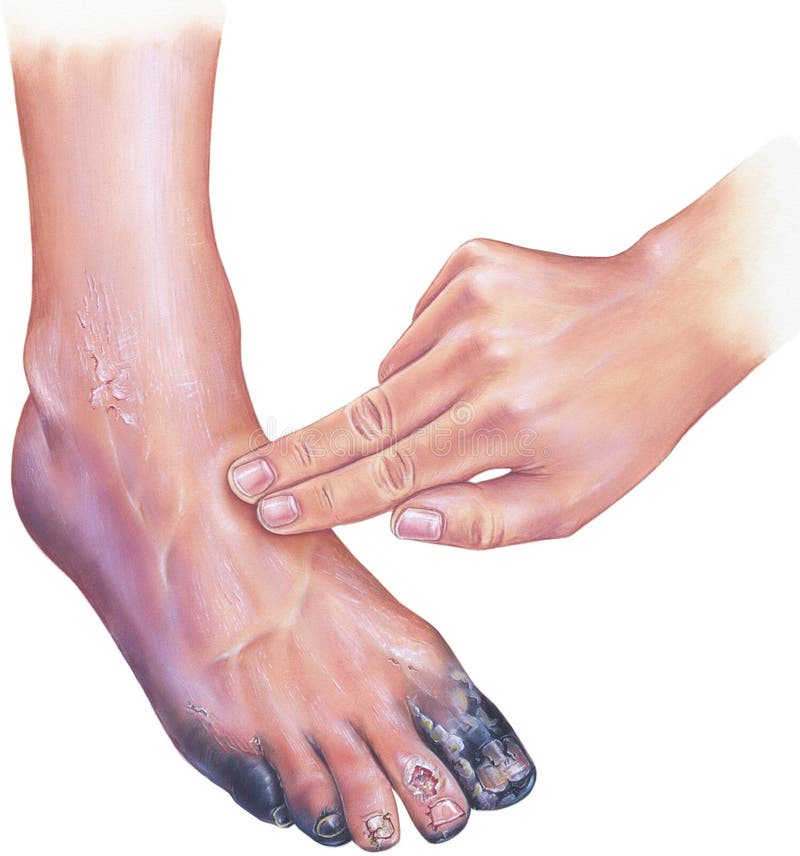
The crude prevalence was 8. 2% for coronary artery disease, 3. 3% for heart failure, 2. 2% for stroke, 1. 2% for peripheral artery disease, 0. 7% for transient ischemic attack, and 0. 1% each for carotid artery stent, carotid endarterectomy, and defibrillator use (table 2). Peripheral arterial disease (pad) is a complication of diabetes that happens when blood vessels in the legs become blocked or narrowed due to fat deposits. the result is reduced blood flow to the feet and legs. the condition affects around 1 in 3 people with diabetes over the age of 50, and increases the risk of heart attack and stroke. Peripheralarterydisease (pad) is a circulatory system condition diabetes complications peripheral artery disease that causes a narrowing of the blood vessels and is characterized by restricted blood flow to the lower limbs. pad is commonly linked to diabetes. in fact, one in three people over the age of 50 with diabetes has pad. Peripheralvasculardisease symptoms. only about 60% of the individuals with peripheral vascular disease have symptoms. almost always, symptoms are caused by the leg muscles not getting enough blood.


Comments
Post a Comment